



Black Stack
Black Stack
Free Domestic Shipping on Orders Over $150
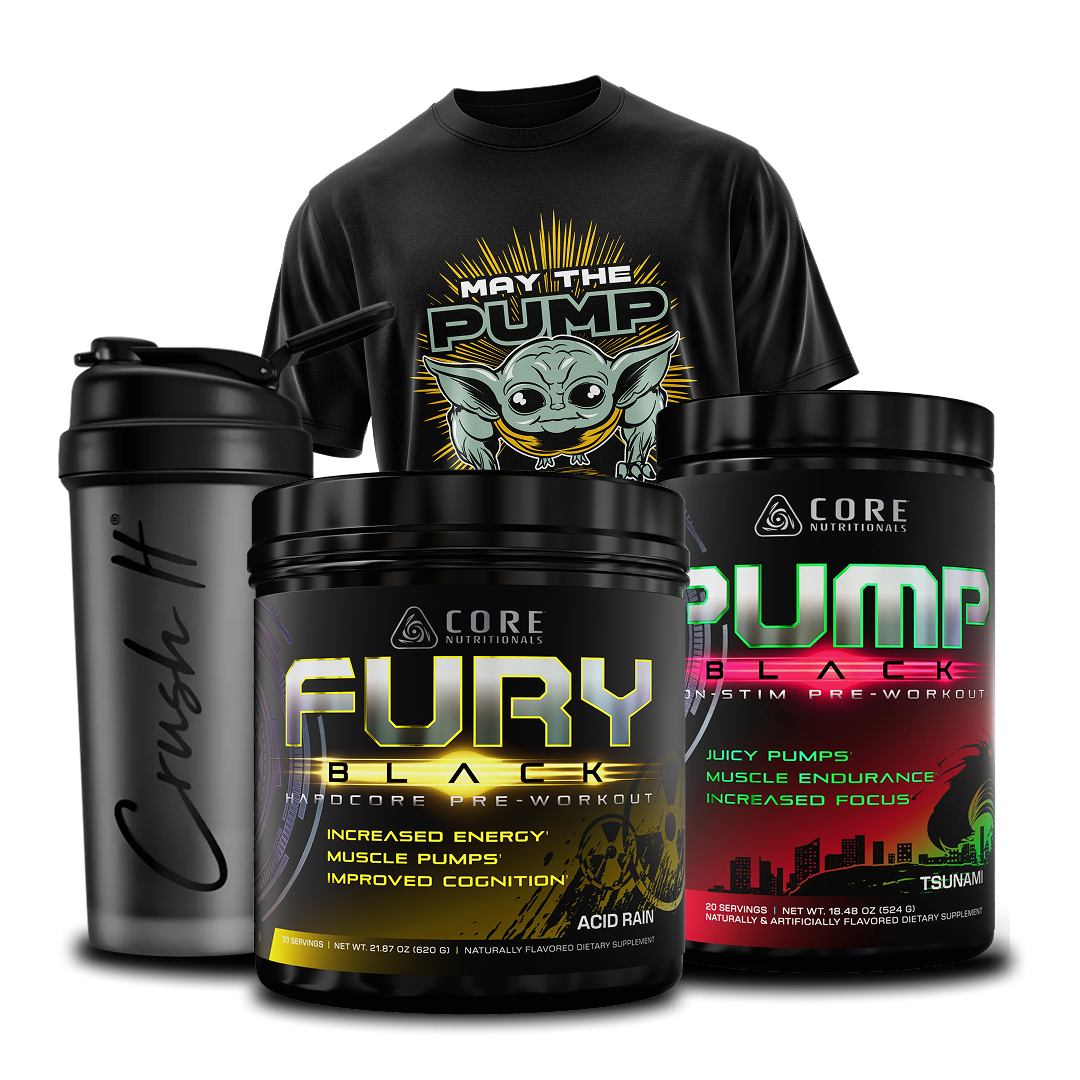
-
Fury Black
L-Citrulline
Citrulline is a non-essential, non-protein amino acid that forms during the urea cycle and forms ornithine when combined with carbon dioxide. Citrulline is also a critical source of endogenous (natural) arginine, as it is rapidly and efficiently converted to arginine in the vascular endothelium and other tissues.
Citrulline’s benefits have been shown to be greater than its parent compound. While arginine undergoes direct hepatic (liver) metabolism through the enzyme arginase, citrulline bypasses hepatic metabolism entirely and it is delivered straight to the bloodstream. The result is that gut absorption and plasma (blood) bioavailability studies comparing citrulline and arginine have shown two things. First, citrulline is less readily destroyed and has greater absorption than arginine. Second, citrulline supplementation increases arginine levels more effectively than arginine supplementation itself.
This translates to promising results. For example, animal studies show a significant increase in anaerobic performance at a 250mg/kg/day serving of citrulline, while studies in humans implicate citrulline in both aerobic and anaerobic performance increases. As a critical part of the urea cycle, citrulline’s performance benefits are thought to be a result of its role in ammonia clearance. Citrulline is implicated in reducing the oxygen cost of muscle processes, along with increasing the rate of post-exercise ATP and phosphocreatine replenishment. As ATP and phosphocreatine are the body’s ‘exercise fuel,’ this may result in citrulline delaying time to exhaustion in aerobic and anaerobic exercise.
Betaine Anhydrous
Betaine, also known as trimethyl glycine, is a naturally occurring compound found in various living organisms. It serves as a protective agent in non-mammalian animals during osmotic stress and functions as an osmolyte in mammalian tissues, including those of humans. In mammalian cells, betaine is produced through the oxidation of choline and can be acquired from dietary sources such as spinach and beets. Although research on betaine is relatively limited and recent, available literature suggests its potential effects in several areas. Studies investigating betaine supplementation at doses ranging from 1.25g/day to 5g/day for up to 14 days have demonstrated promising results. For instance, one study found that a daily serving of 2.5g enhanced endurance and total repetition volume during exercises like the squat, bench press, and jump squat in healthy, exercise-trained adults. Another study reported increased peak power, maximum peak power, force, and the maintenance of force and power in similar subjects with the same dosage of betaine. Moreover, research exploring betaine's impact on the endocrine system has shown potential effects on various endocrine processes. These findings have led researchers to hypothesize that longer-term betaine supplementation may enhance the hypertrophic response to resistance training, indicating its potential as a performance-enhancing supplement in the realm of exercise physiology.
Beta Alanine
Carnosine is a bit of an odd duck: we know that it is crucial for muscle function, and that dietary sources of carnosine are essential, but we don’t know precisely how it’s working. Moreover, for decades, we had no idea how to increase intramuscular concentrations, as exogenous carnosine sources degraded in the body so fast as to be effectively useless.
Enter beta-alanine. Simply a different iteration of one of the amino acids that comprises carnosine itself (alanine), beta-alanine has proven to be the most effective means of significantly increasing intramuscular concentrations of carnosine – and therefore of promoting all of carnosine’s various beneficial effects on muscle performance. If that weren’t enough, beta-alanine has also demonstrated beneficial physiological effects independent of its parent compound. To understand why, though, we need to first understand some of the basics behind carnosine itself.
Carnosine, a cytoplasmic dipeptide synthesized from the precursors L-histidine and l-alanine, is present in high concentrations in skeletal muscle and plays a pivotal role as a, “chemical buffer” in myocytes (muscle cells). It has long been known that carnosine concentrations are highest in glycolytic, rather than oxidative muscle fibers (roughly speaking, explosive vs., endurance muscle fibers, respectively), and thus long hypothesized that this amino acid is required for sustained performance during supramaximal exercise. Recent research demonstrates that carnosine exerts its physiological effects in long hypoxic (low oxygen) drives by functioning as a high-capacity pH buffer in skeletal muscle, preventing the pH ratio of plasma from dropping too low – and therefore preventing crucial pH-dependent processes such as protein synthesis from being inhibited by acidosis.
Despite its critical role in skeletal muscle anaerobic performance, intramyocellular synthesis of carnosine is rate-limited by the availability of l-alanine. Unfortunately, the majority of literature demonstrates that attempting to increase intramuscular levels of carnosine via either direct carnosine or alanine supplementation is largely ineffective due to carnosine/alanine pharmacokinetics. Enter beta-alanine. Research with beta-alanine demonstrates consistent and dose-dependent increases to intramuscular carnosine concentrations with beta-alanine supplementation, with certain studies showing an increase of 40-60% with chronic administration. These same literatures reveal a synergistic effect of exercise on beta-alanine supplementation, whereby the muscle adaptive changes associated with resistance training promote further intramuscular carnosine production in response to beta-alanine supplementation.
In simpler language, this essentially means that beta-alanine is a dietary supplement that promotes its own effects in combination with exercise. As you exercise, you simultaneously intensify beta-alanine’s physiological actions – both directly, as well as in the production of intramuscular carnosine. Once ingested, beta-alanine’s exercise-specific beneficial activity is well-established. Elevation of intramuscular carnosine content via beta-alanine supplementation has been shown to improve performance in the following ways.
- Both acute and chronic increases in total work capacity, measured by total volume during exercise sessions.
- Highly significant increases to TTE (total time to exhaustion), one of the most accurate and comprehensive measures of endurance. In various trials, beta-alanine supplementation has been shown to increase TTE by upwards of 20%.
- Increases to total muscle power output in both acute and chronic trials, suggesting that beta-alanine’s most significant benefit is to those engaging in power-dependent resistance training.
In total, a significant body of research exists to suggest that beta-alanine may significantly increase muscle power output, strength, training volume and output, overall performance in hypoxic (oxygen-deprived) conditions and peak VO2 max (oxygen holding capacity).
These myriad benefits make beta-alanine both one of the most-studied, and most well-rounded dietary supplements. Beta-alanine not only has direct, actionable physiological effects, but also promotes critical muscle physiologic adaptations that promote its own effects.
L-Tyrosine
Tyrosine is amongst a class of amino acids known as ‘non-essential’ amino acids, so called because the body can produce them endogenously, and it is therefore not essential to consume dietary tyrosine. That said, tyrosine is also what is known as a conditionally-essential amino acid; conditionally-essential because, along with glucose and ammonia, the synthesis of tyrosine additionally requires adequate levels of phenylalanine. Once synthesized, tyrosine is one of the most critical amino acids, given its prominent role as a substrate in the synthesis of the catecholamines dopamine, norepinephrine, and epinephrine, in addition to both T3 (triiodothyronine) and T4 (thyroxine) thyroid hormones.
In studies on stress modulation, tyrosine has been demonstrated to reverse stress-induced norepinephrine depletion and the depressant-behavioral effects normally associated with it. In simpler terms, tyrosine may, in certain conditions, dampen the extent to which norepinephrine is removed from the bloodstream during a stress event. In simpler terms still, tyrosine may help to mitigate the sense of depletion and fatigue felt at the end of a workout.
Tyrosine may also play important metabolic functions, mostly related to its role in synthesizing compounds which stimulate the nervous system. While not traditionally considered a sympathomimetic amine, studies which have coadministered tyrosine and stimulants demonstrate a synergistic effect. These studies suggest that tyrosine may potentiate the effects of both endogenous and supplemental norepinephrine and its mimetics (in the case of exogenous use) with respect to lipolysis, thermogenesis, and energy expenditure. This means that tyrosine may play a role in assisting norepinephrine to break up triglycerides and increase body heat transiently.
Taurine
Though traditionally referred to as an amino acid due to its chemical structure, taurine is not an amino acid in the sense that leucine, alanine, or glutamine are. Its chemical status aside, taurine is considered one of the body’s most essential chemical compounds, as cardiovascular function, muscle development and function, along with optical and nervous systems in the body depend on its abundance. While data on taurine typically occurs with taurine in supplement combinations (with caffeine and other amino acids), these data nevertheless suggest that dietary supplementation with taurine may have beneficial effects on mental focus and alertness and may assist during times of increased physical exertion.
Caffeine Anhydrous
Caffeine is one of the most widely consumed, and perhaps one of the most reviewed, psychoactive compounds. Its physiological effects in a range of areas have been well-documented, including exercise performance, information processing, alertness and mood enhancement, attention, and awareness, along with its anti-lipogenic and lipolytic abilities.
Most importantly to FURY BLACK, caffeine has been shown to have significant effects on exercise performance, even with ingestion in servings as small 3 to 9mg/kg/bw/day (the equivalent of 2 cups of standard coffee, for a 170lb male). In endurance training, possible explanations for caffeine’s performance-enhancing effects lie in its metabolic effects on both lean and fat tissue. It is suggested that caffeine’s potent lipolytic (the breakdown of fat tissue into fatty acids) and oxidative (the actual ‘burning’ of fat) action allow the body to utilize these sources during prolonged submaximal exercise. Consequently, muscle glycogen is spared and available for use later in the training session. Practically speaking, this means caffeine is forcing your body to preferentially use fat tissue as a fuel source, while sparing the glycogen which gives you the full-bodied look!
In short-term exercise, caffeine’s demonstrated role in the inhibition of cyclic AMP- phosphodiesterase’s (PDE), adenosine receptor antagonism, and adrenoreceptor agonism come into play. These three pathways stimulate lipolytic activity, boost fat metabolism, increase metabolic rate and energy expenditure, and regulate the body’s thermogenic activity. The practical results of activating these pathways are increases to the contractile force of both cardiac and skeletal muscle (harder flexion), an increase in energy expenditure (freeing up more caloric energy to be used in contraction), dilation of vasculature (better blood flow), and improvements to both nitrogen retention and skeletal muscle protein synthesis (key components to muscle building).
VasoDrive-AP® (Isoleucyl-prolyl-proline (IPP) and Valyl-prolyl-proline (VPP) (from hydrolyzed milk casein)
Vasodrive-AP® is a patented dietary supplement ingredient composed of a precise blend of naturally derived peptides, primarily derived from casein hydrolysate. This ingredient has garnered attention for its potential benefits in enhancing exercise performance through its vasodilatory properties. Vasodrive-AP® works by promoting the release of nitric oxide (NO), a key signaling molecule involved in vasodilation, which leads to the relaxation of blood vessels and increased blood flow to exercising muscles. It does this through several mechanisms of action. First, the increase in the production of endothelial nitric oxide synthase (eNOS) improve arterial flexibility leading to enhanced blood flow. Second, Vasodrive-AP® can also inhibit the enzyme that leads to the constriction of blood vessels. By improving blood flow and oxygen delivery to working muscles, Vasodrive-AP® may enhance exercise capacity, delay the onset of fatigue, and improve overall performance during both endurance and resistance training activities. Additionally, the improved nutrient and oxygen delivery facilitated by Vasodrive-AP® may aid in muscle recovery post-exercise, potentially reducing muscle soreness and accelerating the repair process. While further research is needed to fully elucidate its mechanisms and optimal dosages, Vasodrive-AP® shows promise as a natural ergogenic aid for individuals seeking to maximize their exercise performance and recovery.
Cognizin® Citicoline
Choline is an essential nutrient involved in numerous metabolic pathways, including DNA regulation and repair, protein function, and metabolism. Perhaps most importantly, the critical neurotransmitter acetylcholine is produced directly from free choline via cholinergic neurons. Acetylcholine is then responsible for several functions itself, most crucially as the compound which induces muscular contraction, and as the neuromodulator partially responsible for modulating risk/reward, arousal, and enhancing memory.
Choline’s essential role as a substrate for acetylcholine, and therefore brain development, is well documented in animal models. These studies demonstrate that levels of free maternal choline have a direct and fundamental impact on prenatal brain development, with the enhancements or deficits lasting into adulthood. Choline’s enhancing effect is particularly prominent in the hippocampus. In humans, the hippocampus is primarily involved in the consolidation of memory (taking short, episodic memory and translating it into long-term memory) and the learning of new information. Acetylcholine is a critical component in these processes, as mentioned above, and choline may therefore play a potential role in these processes as well by providing the substrate for acetylcholine synthesis.
Citicoline (Cytidine 5’-diphosphocoline), also known as CDP-choline, is a potentially superior form of choline due to its ability to cross the blood brain barrier. In fact, most studies with neurological or nootropic effects used this form. In that regard, studies in otherwise healthy, normal adults demonstrated meaningful and statistically significant impacts on working memory, recall, and attention. We have chosen to use the clinically tested, Cognizin®, in this premium formula as our primary choline source. Unlike other synthetic stimulants that can cause a rapid decline in effectiveness after an initial burst of energy, Cognizin® can offer critical nutritional support for the brain that can help support needed focus and attention.
Methylliberine (as 40% Dynamine™ yielding 60mg)
Dynamine™ (methylliberine) is a naturally occurring alkaloid structurally similar to the stimulant’s caffeine and theacrine. It is most widely known and utilized for its rapid onset of action, non-habit-forming properties, and ability to enhance energy, cognition, and mood without significant cardiovascular stimulation. Due to these characteristics, Dynamine™ has gained attention as a reliable and potential ergogenic aid in sports and exercise performance.
Dynamine™ works primarily through the mechanism of action of modulating adenosine receptors. This action is similar to caffeine but with a shorter half-life and reduced tolerance build-up. It also influences dopamine and noradrenaline levels, leading to enhanced mood and motivation. Unlike caffeine, Dynamine™ has been shown to provide a rapid onset of energy without the associated increase in blood pressure or heart rate, making it a safer alternative for individuals sensitive to stimulants.
When combined like in F Tyranny, Dynamine™ and caffeine can create a synergistic effect that enhances focus, energy, and mood. Dynamine™ can extends caffeine’s stimulatory benefits by inhibiting adenosine receptors while also influencing dopamine pathways, leading to heightened alertness and motivation. Additionally, Dynamine’s™ shorter half-life than caffeine, means it kicks in quickly and enhances the initial energy surge without significantly increasing heart rate or blood pressure rapidly.
To summarize Dynamine’s™ benefits for exercise performance:
- Enhanced Energy and Alertness
Dynamine™ provides a rapid boost in energy by inhibiting adenosine, a neurotransmitter responsible for inducing fatigue. This allows athletes to experience heightened alertness and prolonged endurance during workouts. - Increased Motivation and Mood
By influencing dopamine levels, Dynamine™ can improve motivation and mood, leading to better mental engagement and workout consistency. This effect is particularly beneficial for individuals experiencing mental fatigue or lack of drive. - Reduced Perceived Effort and Fatigue
Studies suggest that Dynamine™ can reduce the perception of effort during physical activity, allowing users to train harder and longer, which is crucial for endurance sports and high-intensity training sessions. - Synergistic Effects with Caffeine and Theacrine
When combined with caffeine or theacrine, Dynamine™ enhances the stimulatory effects without increasing jitters or crashes. This combination provides sustained energy levels, improved reaction times, and enhanced cognitive function during events. - Minimal Cardiovascular Impact
Unlike traditional stimulants, Dynamine™ does not significantly increase heart rate or blood pressure, making it a safer option for athletes looking for an energy boost without excessive strain on the cardiovascular system.
ZümXR® Extended Release Caffeine (yields 70% caffeine)
Züm-XR is a patented coating technology that allows the dissolution profile of certain ingredients, primarily caffeine, to have a longer lasting effect in blood serum levels. The release of those ingredients is initiated by an abrasion in the stomach and pH levels between the stomach and the upper gastrointestinal tract. The coating of the microbead technology is a patented timing system with pharmaceutical grade safe polymers. Comparatively speaking, the dissolution profile of Züm-XR caffeine to your typical immediate release caffeine showed that Züm-XR took a far greater amount of time, well over 120 minutes to complete the process of dissolution.
Ioniplex® Trace Mineral Complex
Our bodies are high-functioning machines and require a lot of support to continue to perform at a high-level day in and day out. A lot of these needs are difficult to acquire by dieting alone, so supplementation is critical. Minerals are included in these daily needs and are vital to the bodies’ many processes.
Ioniplex® is a patented and clinically tested high-quality trace mineral complex providing a comprehensive blend of nutrients that are often hard to acquire from diet alone. Containing 65+ ionic trace minerals, its high bioavailability allows each mineral to penetrate cellular membranes easily to allow for the transport of nutrients directly to the cell structures for maximal absorption. Ioniplex® also actas as a natural chelator, meaning it can bind up toxic compounds, heavy metals, and other foreign substances to transport out of the cells so your essential body cells can continue to thrive.
Minerals contained in Ioniplex® are catalysts for all of the vitamins and other nutrients our body requires to function at an optimal level and maintain health. Some of these functions include electrolyte replacement, maintaining pH balance in the body, nourishing hair and skin, strengthening bones and joints, regulating the digestive system, and improving athletic performance.
Clinical studies have shown that Ioniplex® has been a contributing factor to:
- stimulating mitochondrial activity by nearly 35%
- Stimulating key gene expression involved in mitochondria metabolism including energy production 200%-370%
- Increasing production of type I collagen over 40%
- Increasing production of beneficial bacteria while inhibiting pathogenic bacteria
- Reduce excess glucose in the bloodstream by up to 75%
We demand a lot from our bodies and expect high performance on the outside, why not expect the same of our bodies on the inside.
Bitter Orange Extract (Citrus aurantium) (Fruit) (30% synephrine)
Bitter orange extract, derived from the fruit of Citrus aurantium, contains a diverse array of bioactive compounds, notably including synephrine, flavonoids, and essential oils. Synephrine, the principal alkaloid in bitter orange extract, exhibits sympathomimetic properties, stimulating the sympathetic nervous system and potentially increasing heart rate, blood pressure, and metabolic rate. These effects have led to interest in bitter orange extract as a potential aid for weight management, with studies suggesting its ability to enhance thermogenesis, suppress appetite, and stimulate lipolysis.
The flavonoids present in bitter orange extract contribute antioxidant activity, which may offer additional health benefits by protecting cells from oxidative damage. Additionally, the combination of caffeine and synephrine appears to potentiate each ingredient’s effects – with rates of fatty acid liberation, heart rate, metabolic rate, and fatty acid oxidation increased in clinical trials featuring the combination. In several studies utilizing other forms of synephrine, it was found that the combination of synephrine and caffeine led to a small but significant reduction in fat mass of 3lbs, and a reduction in bodyfat of 2.9%.
Rauwolscine (std. to 90% alpha yohimbine) (Root)
Alpha Yohimbine, also known as rauwolscine, offers several potential benefits, particularly in the realm of sports performance as well as weight management. As a dietary supplement, it is often touted for its ability to enhance fat loss and promote energy expenditure, making it popular amongst many athletes.
Alpha Yohimbine exhibits a mechanism of action that works to antagonize alpha-2 adrenergic receptors, which can lead to increased lipolysis, which is the breakdown of stored fatty acids that can then be used as a fuel source for the body. This utilization of fatty acids for energy can support weight loss and management, thus improving overall body composition.
It’s essential to note that while Alpha Yohimbine shows promise, more research is needed to fully understand its effects.
REFERENCES
- Shurtleff D, Thomas JR, Shlers ST, et al. Tyrosine ameliorates a coldinduced delayed matching to sample performance decrements in rats. Psychopharmacology 1993; 112:228-232.
- Owasoyo JO, Neri DF, Lamberth JG. Tyrosine and its potential use as a countermeasure to performance decrement in military sustained operations. Aviation Space and Enviromental Medicine 1992; 63:364369.
- Lehnert H, Reinstein DK, Strowbridge BW et al. Neurochemical and behavioral consequences of acute, uncontrollable stress: effects of dietary tyrosine. Brain Res 1984 Jun 15;303(2):215-23.
- Shurtleff D, Thomas JR, Schrot J, et al. Tyrosine reverses a coldinduced working memory deficit in humans. Pharmacol Biochem Behav 1994 Apr;47(4):935-41.
- Ueland PM. Choline and betaine in health and disease. J Inherit Metab Dis. 2011;34:3–15.
- Zeisel SH, Niculescu MD. Perinatal choline influences brain structure and function. Nutr Rev 2006;64:197–203.
- Zeisel SH. The fetal origins of memory: the role of dietary choline in optimal brain development. J Pediatr 2006;149(suppl):S131–6.
- Michel V, Yuan Z, Ramsubir S, Bakovic M. Choline transport for phospholipid synthesis. Exp Biol Med (Maywood) 2006;231:490–504.
- Fitts RH, Balog EM. Effect of intracellular and extracellular ion changes on E-C coupling and skeletal muscle fatigue. Acta Physiol Scand. (1996)
- Gil-Agustí M1, Esteve-Romero J, Carda-Broch S. Anserine and carnosine determination in meat samples by pure micellar liquid chromatography. J Chromatogr A. (2008)
- Abe H, et al. Role of histidine-related compounds to intracellular buffering in fish skeletal muscle. Am J Physiol. (1985)
- Drozak J, et al. Molecular identification of carnosine synthase as ATP-grasp domain-containing protein 1 (ATPGD1). J Biol Chem. (2010)
- Miyaji T, et al. Expression profiles of carnosine synthesis-related genes in mice after ingestion of carnosine or ß-alanine. J Int Soc Sports Nutr. (2012)
- Chez MG, et al. Double-blind, placebo-controlled study of L-carnosine supplementation in children with autistic spectrum disorders. J Child Neurol. (2002)
- Hipkiss AR. On the enigma of carnosine’s anti-ageing actions. Exp Gerontol. (2009)
- Boldyrev AA. Does carnosine possess direct antioxidant activity. Int J Biochem. (1993)
- Hipkiss AR, Michaelis J, Syrris P. Non-enzymatic glycosylation of the dipeptide L-carnosine, a potential anti-protein-cross-linking agent. FEBS Lett. (1995)
- Dutka TL, Lamb GD. Effect of carnosine on excitation-contraction coupling in mechanically-skinned rat skeletal muscle. J Muscle Res Cell Motil. (2004)
- Bauer K, Schulz M. Biosynthesis of carnosine and related peptides by skeletal muscle cells in primary culture. Eur J Biochem. (1994)
- Dunnett M, Harris RC. Influence of oral beta-alanine and histidine supplementation on the carnosine content of the gluteus medius. Equine Vet J Suppl. (1999)
- Zeisel SH. Nutritional importance of choline for brain development. J Am Coll Nutr 2004;23(suppl):621S–6S.
- Blusztajn JK. Choline, a vital amine. Science 1998;281:794–5.
- da Costa KA, Gaffney CE, Fischer LM, Zeisel SH. Choline deficiency in mice and humans is associated with increased plasma homocysteine concentration after a methionine load. Am J Clin Nutr 2005;81:440–4.
- Zeisel SH. Gene response elements, genetic polymorphisms and epigenetics influence the human dietary requirement for choline. IUBMB Life 2007;59:380–7.
- Zeisel SH. Choline: an essential nutrient for humans. Nutrition 2000;16:669–71.
- Tuszynski M. H., Sang H., Yoshida K., Gage F. H. Recombinant human nerve growth factor infusions prevent cholinergic neuronal degeneration in the adult primate brain. Ann. Neurol. 30, 625–63610. (1991)
- Bracco D, Ferrarra J-M, Arnaud MJ, Jéquier E, Schutz Y. Effects of caffeine on energy metabolism, heart rate and methylxanthine metabolism in lean and obese women. Am J Physiol 1995;269:E671–8.
- Bellet S, Kershbaum A, Finck EM. Response of free fatty acids to coffee and caffeine. Metabolism 1968;17:702–7.
- Bellet S, Roman L, de Castro O, Kim KE, Kershbaum A. Effect of coffee ingestion on catecholamine release. Metabolism 1969;18:288–91.
- Allerton, T. D., Proctor, D. N., Stephens, J. M., Dugas, T. R., Spielmann, G., & Irving, B. A. (2018). l-Citrulline Supplementation: Impact on Cardiometabolic Health. Nutrients, 10(7), 921. https://doi.org/10.3390/nu10070921
- Figueroa, A., Wong, A., Jaime, S. J., & Gonzales, J. U. (2017). Influence of L-citrulline and watermelon supplementation on vascular function and exercise performance. Current Opinion in Clinical Nutrition and Metabolic Care, 20(1), 92–98. https://doi.org/10.1097/MCO.0000000000000340
- Kim, I. Y., Schutzler, S. E., Schrader, A., Spencer, H. J., Azhar, G., Deutz, N. E., & Wolfe, R. R. (2015). Acute ingestion of citrulline stimulates nitric oxide synthesis but does not increase blood flow in healthy young and older adults with heart failure. American Journal of Physiology. Endocrinology and Metabolism, 309(11), E915–E924. https://doi.org/10.1152/ajpendo.00339.2015
- Flores-Ramírez, A. G., Tovar-Villegas, V. I., Maharaj, A., Garay-Sevilla, M. E., & Figueroa, A. (2021). Effects of L-Citrulline Supplementation and Aerobic Training on Vascular Function in Individuals with Obesity across the Lifespan. Nutrients, 13(9), 2991. https://doi.org/10.3390/nu13092991
- Jabir, N. R., Firoz, C. K., Zughaibi, T. A., Alsaadi, M. A., Abuzenadah, A. M., Al-Asmari, A. I., Alsaieedi, A., Ahmed, B. A., Ramu, A. K., & Tabrez, S. (2022). A literature perspective on the pharmacological applications of yohimbine. Annals of Medicine, 54(1), 2861–2875. https://doi.org/10.1080/07853890.2022.2131330
- Ostojic S. M. (2006). Yohimbine: the effects on body composition and exercise performance in soccer players. Research in Sports Medicine (Print), 14(4), 289–299. https://doi.org/10.1080/15438620600987106
- Barnes, M. E., Cowan, C. R., Boag, L. E., Hill, J. G., Jones, M. L., Nixon, K. M., Parker, M. G., Parker, S. K., Raymond, M. V., Sternenberg, L. H., Tidwell, S. L., Yount, T. M., Williams, T. D., Rogers, R. R., & Ballmann, C. G. (2022). Effects of Acute Yohimbine Hydrochloride Supplementation on Repeated Supramaximal Sprint Performance. International Journal of Environmental Research and Public Health, 19(3), 1316. https://doi.org/10.3390/ijerph19031316
- Ioniplex® & Bioavailability. Mineral BioSciences. (2017, April 27). Retrieved March 31, 2023, from https://www.mineralbiosciences.com/ioniplex-bioavailability/
- Hirota, T., Ohki, K., Kawagishi, R., Kajimoto, Y., Mizuno, S., Nakamura, Y., & Kitakaze, M. (2007). Casein hydrolysate containing the antihypertensive tripeptides Val-Pro-Pro and Ile-Pro-Pro improves vascular endothelial function independent of blood pressure-lowering effects: contribution of the inhibitory action of angiotensin-converting enzyme. Hypertension Research, 30(6), 489–496. https://doi.org/10.1291/hypres.30.489
- Fekete, Á. A., Givens, D. I., & Lovegrove, J. A. (2015). Casein-derived lactotripeptides reduce systolic and diastolic blood pressure in a meta-analysis of randomised clinical trials. Nutrients, 7(1), 659–681. https://doi.org/10.3390/nu7010659
- Fekete, Á. A., Givens, D. I., & Lovegrove, J. A. (2015). Casein-derived lactotripeptides reduce systolic and diastolic blood pressure in a meta-analysis of randomised clinical trials. Nutrients, 7(1), 659–681. https://doi.org/10.3390/nu7010659
- Arumugam, M. K., Paal, M. C., Donohue, T. M., Jr, Ganesan, M., Osna, N. A., & Kharbanda, K. K. (2021). Beneficial Effects of Betaine: A Comprehensive Review. Biology, 10(6), 456. https://doi.org/10.3390/biology10060456
- Cholewa, J. M., Wyszczelska-Rokiel, M., Glowacki, R., Jakubowski, H., Matthews, T., Wood, R., Craig, S. A., & Paolone, V. (2013). Effects of betaine on body composition, performance, and homocysteine thiolactone. Journal of the International Society of Sports Nutrition, 10(1), 39. https://doi.org/10.1186/1550-2783-10-39
- Ismaeel A. (2017). Effects of Betaine Supplementation on Muscle Strength and Power: A Systematic Review. Journal of Strength and Conditioning Research, 31(8), 2338–2346. https://doi.org/10.1519/JSC.0000000000001959
- Arazi, H., Aboutalebi, S., Taati, B., Cholewa, J. M., & Candow, D. G. (2022). Effects of short-term betaine supplementation on muscle endurance and indices of endocrine function following acute high-intensity resistance exercise in young athletes. Journal of the International Society of Sports Nutrition, 19(1), 1–16. https://doi.org/10.1080/15502783.2022.2041988
- Tartar, J. L., Banks, J. B., Marang, M., Pizzo, F., & Antonio, J. (2021). A Combination of Caffeine, TeaCrine® (Theacrine), and Dynamine® (Methylliberine) Increases Cognitive Performance and Reaction Time Without Interfering With Mood in Adult Male Egamers. Cureus, 13(12), e20534. https://doi.org/10.7759/cureus.20534
- VanDusseldorp, T. A., Stratton, M. T., Bailly, A. R., Holmes, A. J., Alesi, M. G., Feito, Y., Mangine, G. T., Hester, G. M., Esmat, T. A., Barcala, M., Tuggle, K. R., Snyder, M., & Modjeski, A. S. (2020). Safety of Short-Term Supplementation with Methylliberine (Dynamine®) Alone and in Combination with TeaCrine® in Young Adults. Nutrients, 12(3), 654. https://doi.org/10.3390/nu12030654
Pump BlackSodium (as sodium citrate) - 200 mg
Sodium, one of the most essential electrolytes for our body to utilize, is vital for not just overall daily bodily function but also adequate and high physical performance. Sodium helps to keep the water (mainly amount of fluid outside of the body’s cells) and electrolyte balance of the body, while also aiding in the contraction and relaxation of muscles as well as conducting nerve impulses. While only 500mg of sodium is needed per day for these functions to occur, we as active individuals need far more sodium to maintain these functions. We mostly lose sodium through sweat and urine, so the more active we are/the more we sweat and the more we urinate, the more sodium is lost. Acquiring enough sodium through food and drink is crucial to establishing equilibrium again to maintain proper functioning and electrolyte balance within the body. Citrate salts (like sodium citrate) also function as an extracellular buffering agent: citrate is metabolized to bicarbonate, increasing blood alkalinity and potentially improving high-intensity performance when acidosis is limiting. Research in endurance and high-intensity settings shows sodium citrate can induce alkalosis and, in some protocols, improve performance, though effects are variable and higher “ergogenic” doses used in studies are much larger than typical electrolyte-only inclusions and can raise GI-tolerance considerations.
Potassium (as potassium citrate) - 300 mg
Potassium citrate is a highly effective electrolyte for supporting exercise performance by helping maintain proper muscle contraction, nerve signaling, and cellular hydration. The potassium component replenishes what’s lost through sweat and intense training, promoting consistent strength, endurance, and reduced cramping risk, while the citrate portion contributes to acid–base balance by supporting the body’s natural buffering of exercise-induced acidity. Together, these effects help delay fatigue, improve fluid balance, and create a more stable internal environment for sustained training output and recovery, making potassium citrate a smart foundational ingredient in performance and hydration formulas.
L-Citrulline (fermented) — 10,000 mg (with 9,270 mg straight L-citrulline + nitrate-bound yield)
L-citrulline is a non-essential amino acid that increases arginine bioavailability (citrulline → arginine) and can support nitric oxide (NO) production via the NOS-dependent pathway, contributing to vasodilation and potentially improved blood flow during exercise. Reviews of citrulline/citrulline-malate discuss this NO-related rationale and the practical performance claims (pump, fatigue resistance), while also noting that results depend heavily on dose, timing, training status, and the specific outcome measured. While the clinical dose of L-Citrulline falls somewhere around the 3g mark, effective benefits have also been seen as high as 12g.
From an evidence standpoint, meta-analyses and systematic reviews show mixed performance outcomes: some protocols show modest benefits (often in muscular endurance/repetition performance), while others show null findings for strength or aerobic metrics. Practically, citrulline tends to be more consistent for “hemodynamics/pump” outcomes than for guaranteed PR-level performance changes—especially in already well-trained lifters.
Citrulline nitrate (as NO3-T®) - 1,000 mg (yielding ~730 mg citrulline)
Citrulline nitrate enhances exercise performance through two complementary nitric-oxide–producing pathways that improve blood flow, oxygen delivery, and muscular endurance. L-citrulline is converted in the kidneys to arginine, which then fuels endothelial nitric oxide synthase (eNOS) to raise nitric oxide levels, supporting vasodilation, nutrient delivery, and reduced accumulation of fatigue-related metabolites like ammonia. At the same time, the nitrate portion follows the nitrate → nitrite → nitric oxide pathway, which becomes especially active under low-oxygen and acidic conditions typical of intense training, helping sustain blood flow and improve exercise efficiency and time to exhaustion. This dual-pathway mechanism not only amplifies muscle pumps and vascularity but also supports mitochondrial efficiency, reduced oxygen cost of exercise, and improved high-intensity performance, making citrulline nitrate a scientifically robust ingredient for strength, endurance, and recovery support.
Beta-alanine — 3,200 mg (with 2,600 mg straight + nitrate-bound yield)
Beta-alanine’s primary performance mechanism is increasing intramuscular carnosine, a dipeptide that buffers hydrogen ions (H⁺) during high-intensity work. This buffering can delay fatigue in efforts where acidosis meaningfully contributes—classically repeated high-intensity bouts and sustained hard efforts in the ~1–4 minute range (with some crossover into hard sets and density work). The ISSN position stand and large meta-analyses support beta-alanine’s role in improving exercise capacity/performance in these domains, though not necessarily in very short efforts where acidosis is less limiting.
Beta-alanine commonly causes paresthesia (tingling) at larger single doses; splitting doses or using sustained-release formats improves tolerability. The key practical point: beta-alanine is a loading ingredient—benefits accrue over weeks as carnosine rises, not “instant.”
Beta-alanine nitrate (as NO3-T®) — 1,000 mg (yielding ~600 mg beta-alanine)
Beta-alanine nitrate combines beta-alanine’s role in raising intramuscular carnosine with the nitric-oxide–supporting effects of dietary nitrate, creating a dual mechanism that supports both muscular endurance and blood flow during high-intensity exercise. Beta-alanine increases carnosine concentrations inside muscle cells, which helps buffer hydrogen ions produced during intense training and delays the drop in pH that contributes to fatigue, allowing athletes to sustain effort for more repetitions and greater total workload. The nitrate portion simultaneously follows the nitrate → nitrite → nitric oxide pathway, promoting vasodilation, improved oxygen and nutrient delivery, and enhanced exercise efficiency—particularly under hypoxic, high-stress conditions. Together, these complementary mechanisms support longer time to exhaustion, stronger performance output, improved pumps, and more productive training sessions, making beta-alanine nitrate a scientifically synergistic ingredient for strength and endurance-focused performance formulas.
Betaine — 2,500 mg (with 1,850 mg anhydrous + nitrate-bound yield)
Betaine (trimethylglycine) acts as an osmolyte (cell hydration) and as a methyl donor (one-carbon metabolism; homocysteine remethylation), which can influence cellular stress tolerance and potentially training adaptations. In sports performance research, betaine has been studied most often around ~2.5 g/day. Recent systematic review/meta-analysis work suggests betaine may provide small improvements in certain performance outcomes, though results vary by test type, training status, and study design.
Betaine tends to be positioned as a useful ergogenic aid for power-output support, training volume tolerance, and body-composition adjacent outcomes in some athletes.
Betaine nitrate (as NO3-T®) - 1,000 mg (yielding ~650 mg betaine)
Betaine nitrate delivers a dual-performance mechanism by combining betaine’s well-studied effects on cellular hydration, methylation, and power output with nitrate’s ability to enhance nitric-oxide–mediated blood flow and exercise efficiency. Betaine functions as an osmolyte that helps maintain cell volume and fluid balance during intense training, which is linked to improved strength, muscular endurance, and favorable body-composition outcomes in clinical research, while also supporting methylation pathways involved in creatine synthesis and overall metabolic performance. The nitrate component follows the nitrate → nitrite → nitric oxide pathway, particularly active in low-oxygen, high-acidity conditions, promoting vasodilation, oxygen delivery, and reduced oxygen cost of exercise. Together, these mechanisms can support greater training volume, improved power production, enhanced muscle pumps, and delayed fatigue, making betaine nitrate a scientifically synergistic ingredient for comprehensive strength and performance formulas.
L-Tyrosine - 2,000 mg
L-tyrosine is a precursor to catecholamines (dopamine, norepinephrine, epinephrine) and thyroid hormones. Supplementation is best supported in situations where stressors (cold, sleep deprivation, multitasking, demanding cognitive work) may transiently tax catecholamine signaling; in those cases, tyrosine has been reported to help maintain aspects of cognitive performance rather than necessarily boost cognition in an unstressed baseline state. Reviews in humans conclude benefits are most plausible under acute stress and high cognitive demand.
Taurine - 1,000 mg
Taurine is a conditionally essential amino sulfonic acid involved in cell volume regulation, calcium handling, membrane stabilization, and antioxidant/anti-inflammatory signaling. In exercise research, taurine has been studied for acute performance (endurance and some high-intensity contexts) and for recovery-related endpoints (markers of muscle damage/soreness). Meta-analyses suggest taurine can improve certain performance outcomes in some protocols, but results vary by dose, timing, and modality.
Mechanistically, taurine’s proposed benefits include improved excitation–contraction coupling and reduced oxidative stress during demanding efforts; practically, athletes often report smoother muscular output, better hydration, and more stable endurance when it is included in a fully non-stimulant performance formula. The evidence base is active and evolving, and the most consistent effects tend to appear when taurine is dosed appropriately relative to the exercise bout and population studied.
Pine bark extract (Pinus pinaster, ~95% proanthocyanidins) - 250 mg
Maritime pine bark extracts are rich in proanthocyanidins and related polyphenols with antioxidant and vascular-function relevance. Human trials and systematic reviews in cardiometabolic contexts evaluate outcomes like blood pressure, endothelial function, and oxidative stress markers; recent meta-analytic work suggests potential improvements in certain cardiometabolic risk factors, though findings across conditions are not uniformly consistent and study quality varies.
In a pump and performance formula, the defensible rationale is support for endothelial function and NO signaling environment (plus oxidative-stress modulation), which may complement direct NO precursors (citrulline/nitrate).
Cognizin® (citicoline / CDP-choline) - 250 mg
Citicoline (CDP-choline) is a choline donor and a precursor for phosphatidylcholine synthesis, supporting neuronal membrane turnover and cholinergic neurotransmission. Human RCT data in healthy adults and older adults suggests supplementation can improve aspects of memory and attention over weeks, aligning with its role in supporting brain bioenergetics and membrane phospholipid metabolism.
Cognizin® is a branded form of citicoline used in supplement trials focused on attention and cognitive performance; branded pages summarize clinical study outcomes, while independent sources also review citicoline’s cognitive evidence and safety. In practice, citicoline is often experienced as “clean focus” (less jitter, more mental clarity), making it a logical nootropic pairing with stimulants and/or other performance ingredients.
PeptiPump® — 200 mg
PeptiPump® is a patented bioactive lentil (Lens culinaris) peptide hydrolysate standardized to provide small signaling peptides that influence vascular function and exercise-related blood flow. Unlike nitric-oxide precursors that work upstream through arginine or nitrate metabolism, lentil-derived bioactive peptides are proposed to act more directly at the endothelial and smooth-muscle level, supporting vasodilation, microcirculatory perfusion, and contractile efficiency. Research on pulse-derived protein hydrolysates demonstrates potential effects on angiotensin-converting enzyme (ACE) modulation, endothelial nitric-oxide signaling, and vascular tone regulation, mechanisms that collectively support improved muscle oxygenation and nutrient delivery during exercise.
Within a performance formula like PUMP BLACK, PeptiPump® should be interpreted as a hemodynamic (movement and pressure of blood through the CV system) and perfusion-support (delivery of blood, oxygen, and nutrients to tissues) ingredient rather than a primary ergogenic stimulant or buffer. Its role is to complement upstream nitric-oxide pathways (citrulline and nitrate) by improving the vascular responsiveness and tissue-level blood distribution once nitric oxide is produced. Early human and preclinical data on lentil-derived peptides suggest benefits for blood pressure regulation, endothelial health, and circulation, which provide the mechanistic rationale for enhanced exercise “pump,” muscular endurance support, and recovery signaling. However, as with many novel peptide ingredients, large independent exercise-performance trials remain limited, so the strongest scientific position is that PeptiPump® contributes complementary vascular bioactivity within a multi-pathway pump system rather than acting as a standalone performance driver.
AstraGin® - 50 mg
AstraGin® is a standardized blend of Panax notoginseng and Astragalus membranaceus extracts developed to enhance intestinal absorption of amino acids, vitamins, and other nutrients. Mechanistic research in cell and animal models shows AstraGin® can upregulate expression of key intestinal transporters (including amino-acid transport proteins and glucose transporters) and influence tight-junction integrity, suggesting improved trans-epithelial nutrient movement and gut barrier support. These transporter-modulating effects form the biological basis for its positioning as a bioavailability enhancer in sports-nutrition formulations.
Human data on AstraGin® specifically are still emerging, but studies on its constituent botanicals—particularly astragalus polysaccharides and ginsenosides—demonstrate immunomodulatory, anti-inflammatory, and gut-supportive properties that may indirectly support training recovery and nutrient utilization. In applied formulation strategy, AstraGin® is not intended to provide an acute perceptible effect; instead, it functions as a systems-level absorption amplifier, theoretically improving the efficiency of amino acids (like citrulline and taurine), osmolytes (betaine), and nootropics (tyrosine, citicoline) delivered in the same serving. Due to the fact that large-scale human pharmacokinetic trials remain limited, AstraGin® is best interpreted as a supportive bioavailability technology with strong mechanistic plausibility and growing—but not yet definitive—clinical validation.
-


